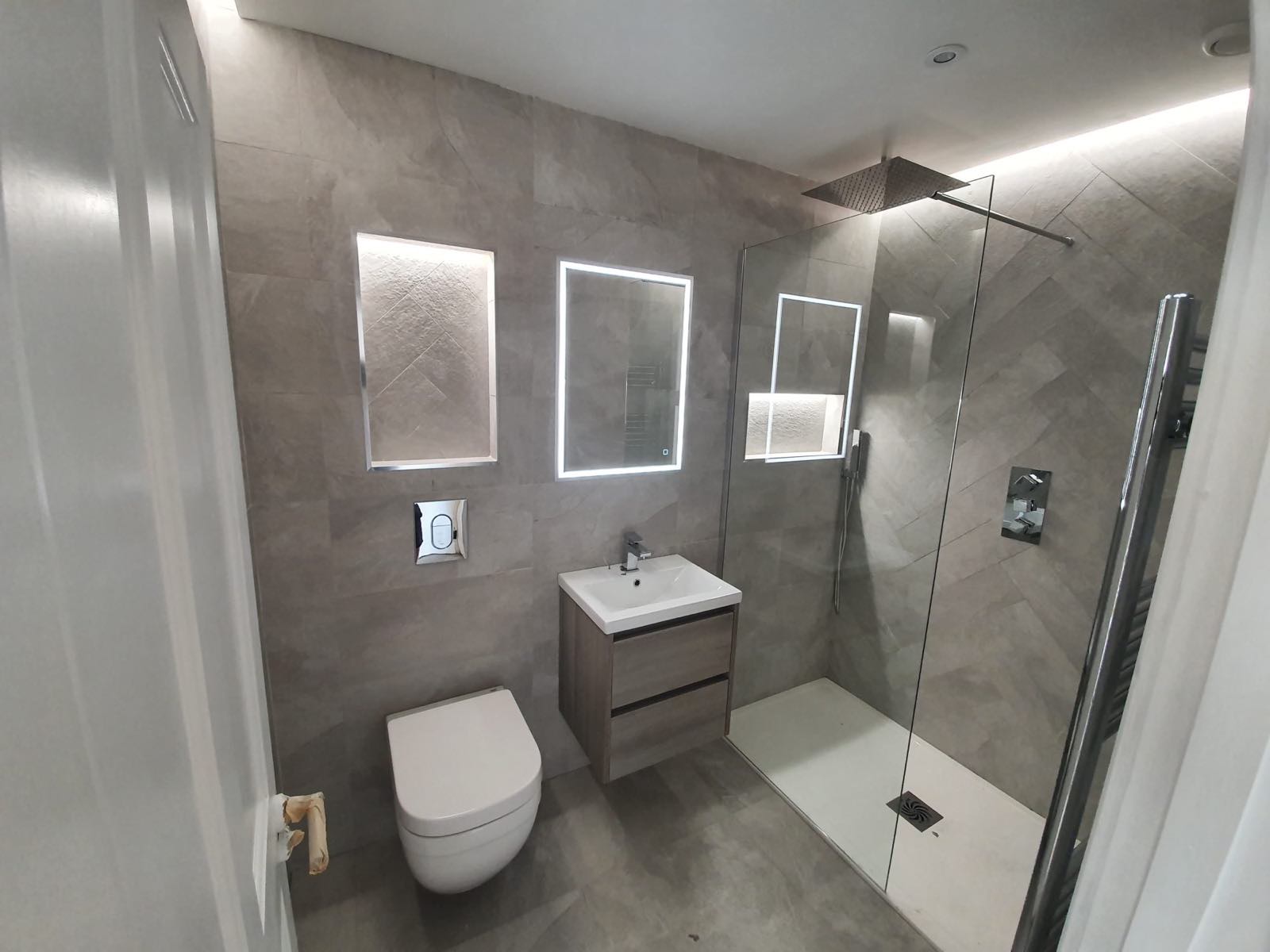
Failed silicone and loose tiling at a shower junction repaired without a full bathroom refit. This page is a representative methodology scenario for planning and education — not a rights-cleared client case study, not a star-rated testimonial, and not a claim that a public verified evidence pack is already published.
Bathroom Junction Repairs in Southwark is presented here as a representative methodology scenario set in Southwark. It explains the problem class, how we diagnose, typical constraints, methods, materials, programme factors, outcome class and limitations. It is not a fake named-client case study.
Public verified evidence packs (rights-cleared photos, permissions, and measurable before/after records suitable for public marketing) may be added later. Until then, publication remains noindex and the tone stays methodological rather than testimonial.
Readers should use this page to understand how similar jobs are scoped across Greater London — then send photos and postcode for a written estimate on their own property. Remote pages do not diagnose a specific home.
Important labelling: methodology scenario, not a verified case study
We do not invent star ratings, named client endorsements, or fabricated before/after marketing claims. This project entry teaches process using a realistic Southwark stock pattern aligned with service “bathroom-repairs”. If you need proof packs for procurement, ask what documentation we can provide for a live job under your instruction — that is different from publishing third-party private homes without rights clearance.
Problem class
Bathroom junction failure without full suite replacement: blackened failed silicone, water tracking at tray upstand, and hollow splash-zone tiles — common Southwark flat and house wet-room fault pattern that causes inter-floor risk if ignored.
Diagnosis approach
Inspect silicone adhesion and contamination; check tray/bath movement; tap hollow tiles; look for staining on ceiling below if stacked; determine whether reseal alone is durable or local tile replacement is required; confirm cure window constraints for household use.
Constraints that shape the job
Daily bathroom need in occupied homes; cure times before showering; matching tiles if local replacement needed; building waste rules; avoiding full refit upsell when junctions are the real failure mode.
Methods
Remove failed sealant and unsound tiles; prepare substrate; retile local area with appropriate adhesive/grout; reseal with sanitary-grade silicone; clean down; provide cure guidance; recommend ventilation habits as aftercare, not as medical advice.
Materials
Sanitary silicone; grout; tile adhesive; replacement tiles matched as supply allows; preparation cleaners; protection for floors and joinery.
Programme factors
Often a focused visit when substrate is sound; extends if tiles are discontinued or substrate is wet; cure window before use; possible temporary hygiene arrangements for single-bathroom homes. Illustrated duration on the base project record (“1 day”) is orientation for this scenario class only — live jobs differ with drying, access and hidden defects.
Outcomes class (not a guarantee for every property)
Watertight junctions restored; no full suite replacement required when substrate allows; bathroom returned to daily use after cure — methodology outcome class.
Limitations and exclusions
Not a promise of permanent mould elimination while ventilation and cold bridges remain; not a full bathroom redesign; hollow walls or major leaks may need wider investigation; matching old tiles can be approximate; not a verified named case study.
Step-by-step methodology narrative
A live scope follows a simple sequence: intake, triage, written estimate, protected attendance, confirmation of site conditions, repair, clean-down and clear notes on any further work. The details are set by the property rather than copied from this representative scenario.
Risks of the wrong approach
Cosmetic cover-ups on soft substrates, resealing over moving trays, planing fire doors beyond compliance, and decorating before drying are common failure modes in London repair markets. This methodology scenario exists to show the disciplined alternative: source control where relevant, substrate honesty, and finish systems that match the fault.
Cheap headlines that ignore access and matching create disputes. We would rather re-scope than pretend.
Who this scenario helps
Homeowners planning a packaged snag visit; landlords and agents scoping voids or reactive lists; property managers batching similar fault classes. Location context (Southwark) illustrates stock and access flavour, not an exclusive service boundary — similar methods apply across Greater London with local logistics differences.
Related service and next steps
See the “bathroom-repairs” service page for commercial scope depth, and relevant problem landings for single-symptom guidance. To progress a live job, send photos and full postcode for a written estimate. Do not treat this page as a fixed price for your property.
Evidence posture and publication state
publicationState is published_noindex: useful internally and for users who land here, not positioned as a fully evidenced public case-study portfolio piece. When rights-cleared photography and verified records exist, pages can be upgraded deliberately. Until then, honesty beats fabricated social proof.
Health, safety and neighbour considerations
Loose overhead materials, water near electrics, and insecure doors are safety issues first. Inter-floor leaks need factual notes, not blame theatre. Waste and noise in blocks need building-aware behaviour. We plan for those constraints in live scopes derived from this methodology pattern.
Aftercare class for this scenario
Monitor returning symptoms; follow cure/drying guidance; maintain ventilation and external water management where relevant; keep photos and scope with the property file; report new active water or security issues promptly. Aftercare is part of outcome quality.
No. It is a representative methodology scenario for education and scoping. We do not invent named clients, star ratings, or rights-uncleared photo stories.
Can you do the same work on my property?
Similar fault classes are common across Greater London, but every home differs. Send photos and postcode for a written estimate with assumptions stated.
Why reference Southwark?
Location situates stock type and access flavour for the scenario. It is not a claim of exclusivity or a verified public job record.
What does the duration figure mean?
“1 day” is an illustrative programme class for this pattern. Live drying, access, matching and hidden defects change real schedules.
Will you publish verified evidence later?
When rights-cleared photography and appropriate permissions exist, evidence packs can be added and publication posture updated. Until then we keep methodological labelling.
What was out of scope in this scenario class?
The scope is local junction repair, not a promise to solve ventilation, cold-bridge or wider leak problems. A live inspection identifies whether a larger investigation is needed.
Next step
Tell us what needs fixing.
Send photos and a postcode for a clear written estimate, or call to discuss the job.