Repair-first property work for London houses, flats and rentals: diagnose the fault, agree a written scope, fix what failed, and make good the finishes around it.
Home & rental repairs
Property repairs in London
Property repairs in London rarely fail because the job is exotic. They fail because the brief is vague, the trade sequence is wrong, or a “quick patch” ignores the moisture, movement or access problem underneath. London Home Repairs exists for the work that sits between a single handyman snag and a full refurbishment: the ceiling that stained after a leak, the door that no longer latches, the skirting that split after damp, the multi-item list that never quite gets finished.
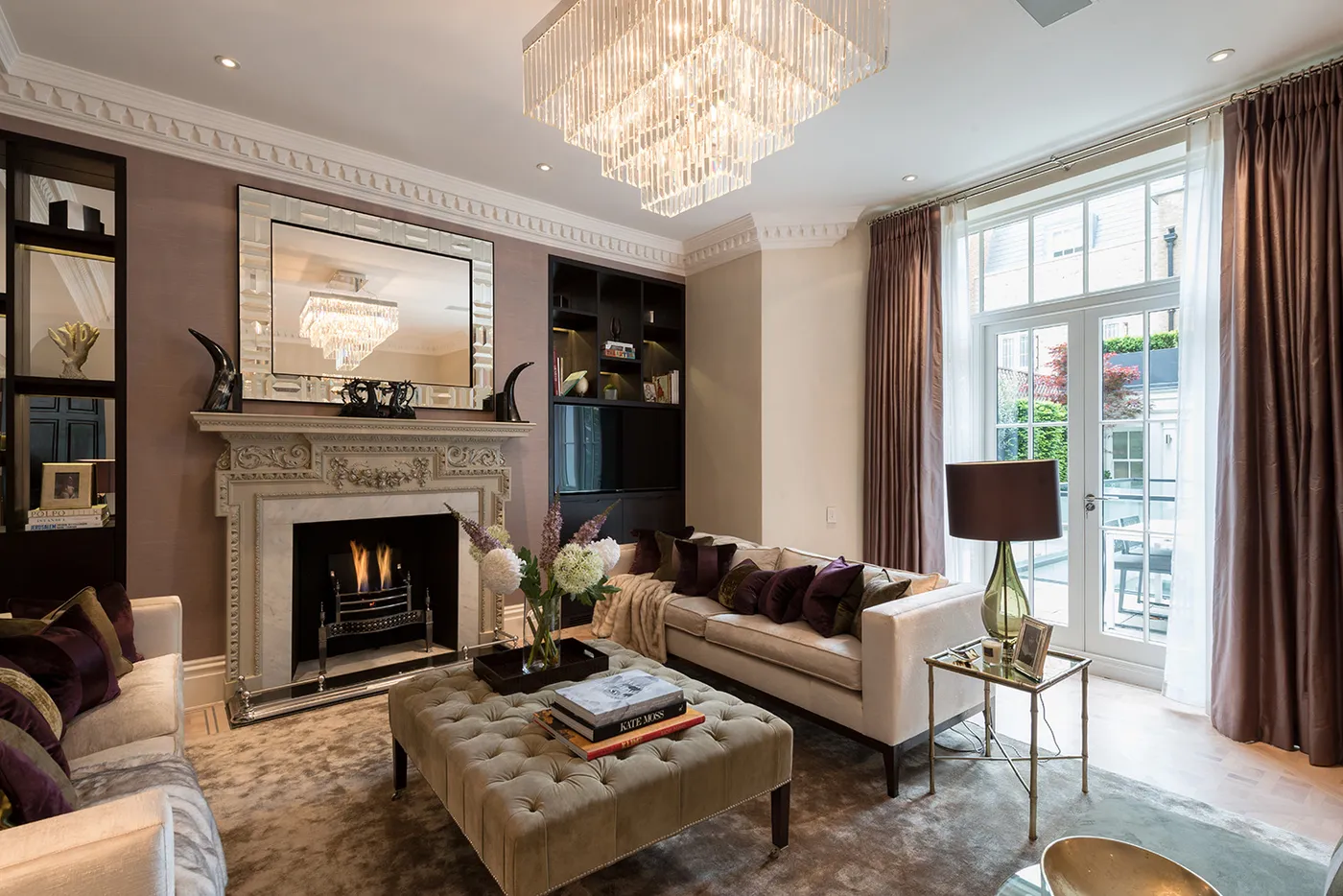
From a few hours for simple adjustments to several days for multi-trade making-good
Greater London
Written scope after photos/postcode review or visit
We work across Greater London for homeowners, landlords, letting agents and property managers. The process is deliberate. You send photos and a postcode. We confirm whether the job is a good fit, whether a visit is needed before pricing, and what is included in a written estimate. Work starts only on an agreed scope. If something unexpected appears once finishes are opened, we stop and discuss it before continuing.
This page explains how we approach general property repairs: the problems we see most often in London stock, what a proper repair includes, what we will not pretend to cover, how estimates work, and how access in flats and period houses changes the plan. It is written for people who want a clear path from “something is wrong” to “the room works again”, not a sales script for an unnecessary full refit.
What “property repairs” means on this site
On London Home Repairs, property repairs means restoring function and finishes after damage, wear or failure — not redesigning rooms. Typical work includes local plaster and board repairs, joinery adjustments, making good after water damage once the source is controlled, door and ironmongery faults, local flooring repairs, decoration of the affected area when booked, and coordinated multi-item lists that would otherwise need three separate call-outs.
We deliberately separate repair from refurbishment. A repair keeps the existing layout and replaces only what has failed. A refurbishment changes kitchens, bathrooms or whole interiors under a different brief and budget. If your enquiry is really a full refit, we will say so early rather than stretch a repair estimate into a project it cannot honestly cover.
The same honesty applies to regulated trades. Gas work needs a Gas Safe engineer. Notifiable electrical work needs a suitably qualified electrician. Structural openings need engineering judgement. We coordinate around those specialists when they are required; we do not invent competence we do not have.
Why London property stock creates particular repair patterns
Greater London housing is not one product. Victorian and Edwardian terraces bring original joinery, uneven floors, lime or multi-layer plaster, and sash windows that need careful repair rather than aggressive replacement. Conversion flats stack wet rooms above living spaces, so a failed silicone joint upstairs becomes a ceiling stain downstairs. Mansion blocks add porters, quiet hours, lift bookings and freeholder rules that change how long a simple job actually takes.
Ex-local-authority stock and mid-century blocks often show different failure modes: hard plaster, different doorsets, constrained risers, and management companies with strict method statements. Newer apartments can still need repairs — but access control and warranty boundaries matter before you open finishes.
None of this is marketing colour. It is why two “small plaster jobs” can have completely different programmes. A ground-floor terrace with driveway parking is not the same job as a fourth-floor mansion-block room with no lift booking and a managing agent who requires common-part protection. When you enquire, postcode and access notes are not bureaucracy; they are how we stop underestimating the real work.
Symptoms that usually mean you need a repair visit
Most property repair enquiries start with something you can see or hear. Recurring brown staining on a ceiling after rain or after a neighbour’s plumbing use. A door that catches on the carpet or no longer meets the latch. Cracks that reopen after filler and paint. Soft skirtings or architraves after historic damp. Hollow-sounding plaster that drums when tapped. Loose boards or a floor that has lifted after a leak. Tiles that sound hollow around a shower. Ironmongery that spins without engaging.
Some symptoms need urgency even if the room still looks “usable”. Active water near electrical fittings is a safety issue, not a decoration delay. An insecure entrance door is a security issue. A ceiling that is bowing or shedding material needs make-safe thinking before cosmetics. We prioritise make-safe work where practical; we do not promise a universal same-hour attendance for every postcode and every day, because that claim would be dishonest without a dedicated emergency contract and spare capacity guarantee.
If you are unsure whether something is emergency or planned, send photos. A short triage often prevents both panic spending and dangerous delay.
How diagnosis works before tools come out
Good repairs start with diagnosis that matches the symptom. For water marks, we want to know whether the source is believed fixed, whether the stain is still growing, and whether there is soft board or only surface discolouration. For cracks, we look at pattern, location and history: hairline joint movement is different from stepped cracks through masonry. For doors, we watch the close cycle — hinge geometry and strike alignment fix many “sticking door” complaints without aggressive planing.
Where photos are clear, we can often issue a provisional written estimate before attendance. Where the fault is concealed, structural, or likely to open into adjacent trades, we recommend a visit first. That is not delay for its own sake; it is how we avoid quoting a patch for a problem that needs a larger cut-out.
We will not invent a definitive remote diagnosis from a single phone photo of a complex leak path. We will give a reasoned next step: make-safe, investigate, or proceed to a defined repair package.
What a proper property repair includes
A complete repair is more than the visible fix. Protection of floors and furniture comes first in occupied homes. Failed material is removed to a sound edge. Substrates are prepared so new board, plaster, timber or sealant can bond. The repair itself is completed with materials suited to the existing fabric where matching is practical. Surrounding finishes are made good to an agreed line — not left as a raw scar for “you to sort later” unless the estimate explicitly excludes decoration.
Waste is cleared from the work area. At the end we walk through what was done and what, if anything, remains outside scope. If decoration of the affected plane is included, colour matching is handled as honestly as the aged surface allows; perfect invisible matches on twenty-year-old emulsion are not always possible without repainting a full wall or ceiling plane, and we say that up front.
For multi-item lists, we sequence dusty and wet trades so later finishes are not ruined by earlier stages. That is the difference between a coordinated repair package and a random series of call-outs.
What we exclude — and why that protects you
Clear exclusions prevent nasty surprises. We do not include gas appliance work. We do not treat notifiable electrical installation as casual handyman labour. We do not price full structural redesigns or party-wall engineering as a standard repair line. Planning applications, freeholder licence-to-alter fees, and specialist surveyor reports sit outside a normal repair estimate unless separately agreed.
Concealed defects found after opening up are not automatically free. If we open a ceiling expecting local soft board and find widespread rot or an active leak still running, the honest response is a revised written variation — not silent expansion of the bill. You approve changes before they proceed.
We also exclude “whatever it takes” open-ended day rates unless you specifically request day-works. Most clients prefer a defined scope. Where day-works are used, we agree the basis first.
Emergency repairs versus planned property repairs
Not every urgent-feeling problem is an emergency, and not every emergency is a full reinstatement on day one. Emergency or priority work is about stopping damage and restoring safety: containing water, securing a door, making a ceiling safe, temporary protection so a home remains usable overnight. Planned repairs are the lasting reinstatement: board, plaster, joinery, decoration, and the tidy finish that makes the room normal again.
Mixing the two without a plan causes cost confusion. A make-safe visit may be the right first attendance. A separate reinstatement package may follow once drying time, parts, or specialist trades are resolved. We will explain which phase you are booking so you are not comparing a temporary board-up price with a full ceiling reboard as if they were the same product.
If you manage rentals, this split also helps agent communication: tenants need safety quickly; owners need a clear second-stage estimate for permanent works.
Access, parking and building rules that change the job
In London, logistics are part of the craft. Controlled parking zones, resident bays, loading restrictions and congestion all affect start times and material runs. Conversion flats may have tight stairs and no lift. Mansion blocks may require protection of common parts, booked deliveries and restricted noisy hours. Leasehold properties can have rules about wet works, flooring changes or works that affect neighbours even when the repair itself is internal.
We ask for access notes early: floor level, lift availability, parking reality, concierge contacts, and whether the property is occupied. That information belongs in the estimate assumptions. A price that ignores access is not a bargain; it is an incomplete price.
Conservation areas and listed buildings add another layer when the repair touches external appearance or historic fabric. Like-for-like internal repairs are usually straightforward; changes to windows, external joinery or visible elevations may need extra care or formal consent. We flag when a job looks like it needs advice beyond a standard repair visit.
Property types we regularly repair
Victorian and Edwardian terraces: plaster movement, sash-related joinery, skirtings after damp, doors out of true after seasonal movement, and making good that has to respect original profiles.
Conversion flats: inter-floor leak paths, bathroom junction failures, hollow tiles, and decoration after reinstatement in rooms that cannot be emptied for a week.
Mansion-block and purpose-built flats: ironmongery, common-part-aware working methods, and repairs sequenced around building rules.
Ex-local-authority and mid-century stock: practical internal repairs, door adjustments, and multi-item lists for landlords turning voids.
Newer apartments: still need silicone, door geometry, local board repairs and finish defects — with attention to developer warranties and building management procedures where they still apply.
If your building type creates unusual constraints, tell us. The repair method may be standard; the logistics rarely are.
Materials, methods and finish standards
We choose materials to suit the background we find, not a single house brand for every wall in London. Sound plasterboard is fixed and jointed correctly. Plaster repairs are cut back to solid edges rather than skimmed over hollow drums. Timber repairs prefer sound wood over thick filler on soft substrate. Sanitary silicone is only as good as joint preparation; contaminated beads are removed, not painted over.
Decoration after repair is a finish trade of its own. Stain-blocking after water marks is often essential. Cutting in cleanly and protecting adjacent surfaces is part of occupied-home manners. Where full-plane repainting is the only way to hide a repair, we explain that choice instead of promising an invisible postage-stamp touch-up that will flash under raking light.
We do not claim certifications or accreditations on this page that we cannot evidence in an evidence register. Where a specialist certificate is required for the wider project, that remains the specialist’s deliverable.
How pricing works for London property repairs
Guide ranges on this page are orientation for Greater London work in the current market. They are not fixed quotes and they are not a promise that every postcode and every access condition lands in the same band. Final price depends on access, parking, height, materials, property age, matching difficulty, and whether hidden defects appear after opening up.
What you should expect from us is a written estimate for a defined scope: what is included, what is excluded, and any assumptions (for example “source leak already fixed”, “decoration of ceiling plane included”, “weekday access between 9 and 4”). That document is the commercial heart of the job.
Be wary of ultra-low lump sums with no breakdown. Be equally wary of open-ended day rates without a reporting habit. The middle path — itemised or clearly scoped work with variation control — is how residential repairs stay predictable.
A representative repair scenario (not a named client case study)
A typical London pattern: a conversion flat reports a brown stain on the living-room ceiling after a bathroom leak above was repaired by others. Photos show soft board at the centre and flaking emulsion around a one-metre area. We confirm the source is believed fixed, protect the room, cut out failed board, check the surrounding ceiling for further softness, reboard and finish, stain-block, and redecorate the ceiling plane so the repair does not read as a bright patch under downlights. Duration might be a few days including drying checks, not a same-afternoon paint over damp board.
This is an illustrative scenario based on common stock and methods. It is not a claim about a specific verified project with client permission, before/after photography rights, or a published case-study evidence pack. Until real project records are approved for public use, we will not present stock or generated images as documentary proof of a named job.
Aftercare and preventing a repeat visit for the same fault
After water damage, watch for returning stains and report them early rather than repainting repeatedly. After plaster repairs, allow recommended drying before heavy decoration if you are finishing yourself. After door adjustments, seasonal humidity can still move timber — a door that was perfect in summer may need a light seasonal ease, which is normal in older stock.
For landlords, photo records of completed repairs help the next tenancy conversation. For homeowners, keeping a short note of what was done and which products were used helps future trades work with, not against, the last repair.
Prevention is not a product we sell as a miracle coating. It is sensible maintenance: gutters that discharge, silicone that is replaced when it fails, ventilation used in wet rooms, and small faults fixed before they become ceiling-wide.
Who this service is for — and who should look elsewhere
This service suits occupied homes with a defined fault list, landlords and agents with void or reactive repairs, and managers who need clear scopes across London stock. It suits people who value tidy working and written estimates over the cheapest cash day rate with no paper trail.
It is not the right page if you need a full architectural refurbishment, a guaranteed one-hour citywide emergency franchise promise, or regulated gas/electrical installation as the primary job. It is also not a legal advice service for deposit disputes, freeholder conflicts or insurance negotiations — though we can document works with photos when that helps your own process.
If you are mid-claim with an insurer, say so. We can often work to a defined reinstatement scope; we do not act as loss adjusters.
Problems we solve
- Localised plaster, board and ceiling failures after leaks or impact
- Doors, frames and ironmongery that no longer operate cleanly
- Joinery damage: skirtings, architraves, beads and trims after wear or damp
- Making good after controlled water damage before full decoration
- Multi-item repair lists that need one accountable team instead of three call-outs
- Rental snagging and void repairs that must be scoped and evidenced clearly
- Finish defects that keep returning because the substrate was never repaired
- Occupied-home repairs where protection, noise and clean-down matter as much as the fix
Warning signs
- Stains that grow after rain or plumbing use — source may still be active
- Soft, bowing or crackling ceilings that need make-safe assessment
- Hollow plaster that fails as soon as it is filled and painted
- Entrance doors that will not latch reliably
- Musty odours after water events even when the surface looks dry
- Repeated silicone or tile failures in the same wet-room junction
What is included
- Review of photos, postcode and access notes before attendance where practical
- Written estimate for an agreed scope, with inclusions and exclusions stated
- Protection of floors, furniture and common parts as required for the setting
- Removal of failed finishes to a sound edge
- Repair using methods suited to the substrate and property type
- Making good of surrounding finishes to the line agreed in the estimate
- Optional decoration of the affected area when included in the scope
- Clear-away of work waste from the room or flat
- End-of-job walkthrough notes and, on request, photo records of completed work
- Honest variation process if concealed defects appear after opening up
What is not included
- Gas work (Gas Safe specialist required)
- Notifiable electrical installation unless arranged with a qualified electrician
- Structural design, calculations and party-wall notices
- Planning or freeholder application fees
- Full room or property refurbishment redesign packages
- Concealed defects discovered after opening up (quoted as variations)
- Insurance loss adjusting or legal representation
- Guaranteed attendance windows not confirmed in writing for your postcode and date
Guide prices
Guide ranges for Greater London orientation only. They are not fixed quotes. Access, parking, height, materials, matching, property age and hidden defects change the final figure. You receive a written estimate for the agreed scope before work proceeds. We do not invent “from £X guaranteed” prices that ignore logistics.
Small single-trade repair attendance
£120–£280Typical short visit; materials may be extra depending on scope
Multi-item repair list (half day)
£280–£520Several small faults booked together with one mobilisation
Local ceiling or wall make-good after minor damage
£450–£1,400Depends on area, access and whether decoration is included
Door hang, plane and ironmongery package
£140–£320Per door typical; fire-door limits may restrict alterations
Occupied-home multi-trade repair day
£380–£750Coordinated list; access and parking assumptions apply
Void / rental package (1-bed light list)
£450–£1,200Decoration and deep damage priced separately
What changes the price
- Floor level, lift access and stair constraints
- Parking, loading and congestion reality at the postcode
- Whether the property is occupied or void
- Matching aged finishes versus full-plane redecoration
- Whether the water source is confirmed fixed before reinstatement
- Building management rules in blocks and mansion flats
- Material lead times for non-standard joinery or tiles
How the work runs
- 01Enquiry with evidence
Numbered photos beat vague descriptions. Include a wide shot of the room, close-ups of the fault, and any related areas (for example the bathroom above a stained ceiling). Add postcode, floor level and parking notes.
- 02Triage and estimate
We confirm whether the job is repair-scoped, whether specialists are needed, and whether make-safe should come before permanent reinstatement. You receive a written estimate rather than a verbal guess.
- 03Access confirmation
Keys, tenants, concierge details and working-hour constraints are confirmed before the day. Failed access wastes everyone’s time; clear arrangements prevent chargeable abortive visits.
- 04On-site repair
Protection, opening-up as required, repair, making good, and clean-down. Variations are discussed before extra work proceeds.
- 05Close-out
We explain what was done, what drying or cure times apply, and whether any monitoring is sensible after water events.
Property types
- Victorian and Edwardian terraces and townhouses
- Conversion flats and stacked Victorian stock
- Mansion-block and purpose-built flats
- Ex-local-authority and mid-century residential blocks
- Newer apartments where repair logistics still matter
- Rental and void properties needing evidenced scopes
Materials and methods
- Cut back failed finishes to sound edges rather than papering over hollow areas
- Board, joint and plaster methods matched to the existing ceiling or wall system where practical
- Timber repairs that prioritise sound substrate over cosmetic filler on soft wood
- Preparation and stain-blocking before decoration after water marks
- Occupied-home protection of floors, stairs and common parts when required
- Clean working habits: controlled dust, tidy tools, waste removed from the work area
Aftercare
- Allow recommended drying or cure times before heavy use or further decoration
- Report returning stains early rather than repainting over active moisture
- Keep photos of completed works for warranties, agents or future trades
- Schedule seasonal checks on gutters, wet-room seals and external joinery
- Use ventilation in bathrooms and kitchens to reduce condensation-related failures
London coverage
Property Repairs in CamdenProperty Repairs in IslingtonProperty Repairs in HackneyProperty Repairs in WestminsterProperty Repairs in Kensington & ChelseaProperty Repairs in Hammersmith & FulhamProperty Repairs in WandsworthProperty Repairs in LambethProperty Repairs in SouthwarkProperty Repairs in Tower HamletsProperty Repairs in EalingProperty Repairs in Barnet
Frequently asked questions
What counts as property repairs rather than a refurbishment?
Property repairs restore failed elements and make good surrounding finishes while keeping the existing layout. Refurbishment redesigns rooms or renews whole interiors. If your brief is really a refit, we will say so instead of forcing it into a repair estimate.
How do I get an accurate estimate for property repairs in London?
Send clear photos, the postcode, access notes and a prioritised list. Where the fault is visible, we can often price from evidence. Where opening-up is uncertain, we recommend a visit before a firm written scope.
Do you repair both houses and flats?
Yes. Terraces, conversions, mansion blocks and newer apartments all need repairs, but access and building rules differ. Tell us about lifts, parking, porters and quiet hours when you enquire.
Can you handle a list of small jobs in one visit?
Yes, and that is often better value than separate call-outs. Group related items, mark what is urgent, and we will sequence the work so finishes are not damaged mid-list.
What if you find more damage once work starts?
We pause and explain. Concealed defects are photographed where helpful and priced as a written variation before we continue beyond the original scope.
Do you guarantee same-day emergency attendance everywhere in London?
No universal same-day guarantee is honest without dedicated capacity contracts. We prioritise make-safe work where practical and confirm the earliest suitable slot for your postcode and access constraints.
Are guide prices fixed quotes?
No. Guide ranges orient you to typical bands. Your written estimate is the commercial offer for a defined scope under stated assumptions.
Will you decorate after a repair?
When decoration is included in the estimate, yes. Sometimes a full wall or ceiling plane needs repainting for a uniform finish; we explain that rather than promising an invisible touch-up that will flash later.
Can landlords and agents book property repairs?
Yes. Share the property address, who approves spend, access arrangements and any checkout or tenant report. We can provide photo notes on request for your records.
Do you deal with insurance claims?
We can complete defined reinstatement works and document them. We do not act as loss adjusters or guarantee insurer outcomes.
Next step
Need property repairs?
Share photos and your postcode. We will confirm fit, access and a written estimate.